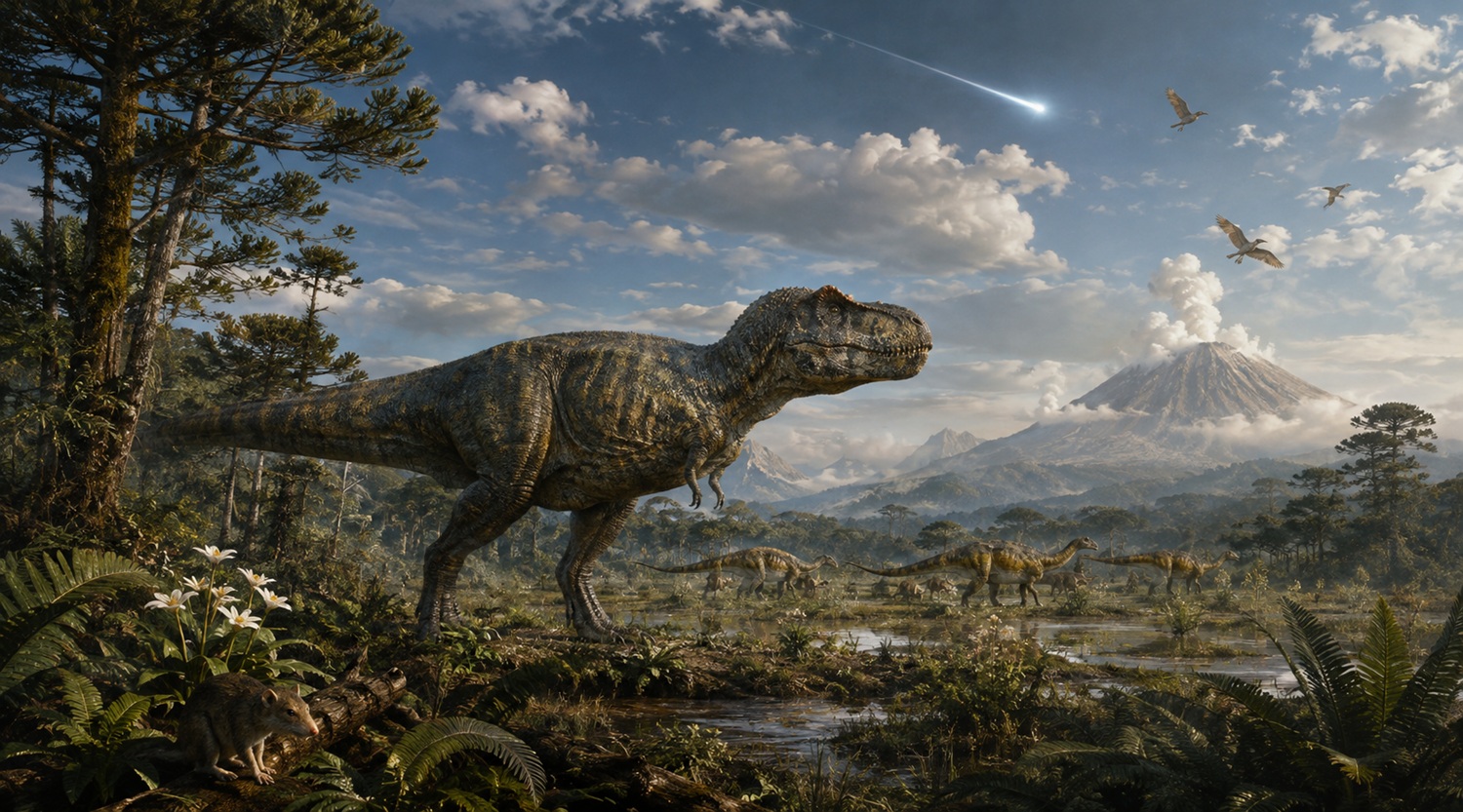
66 million years ago
What If the Asteroid Never Hit Earth and the Dinosaurs Survived?
Explore a world without the Chicxulub extinction, where non-avian dinosaurs endure, mammals remain constrained, and human evolution becomes unlikely.
 Alternate History AI
Alternate History AI is an educational history simulation. Scenarios examine how decisions, institutions, conflicts, and social conditions shaped historical outcomes. The site does not endorse conquest, slavery, discrimination, political violence, war crimes, terrorism, genocide, or harm against any person or group.
Start with documented history, identify a credible point of divergence, and follow the consequences. Browse all 32 long-form articles or move into a related interactive scenario.
66 million years ago
Explore a world without the Chicxulub extinction, where non-avian dinosaurs endure, mammals remain constrained, and human evolution becomes unlikely.
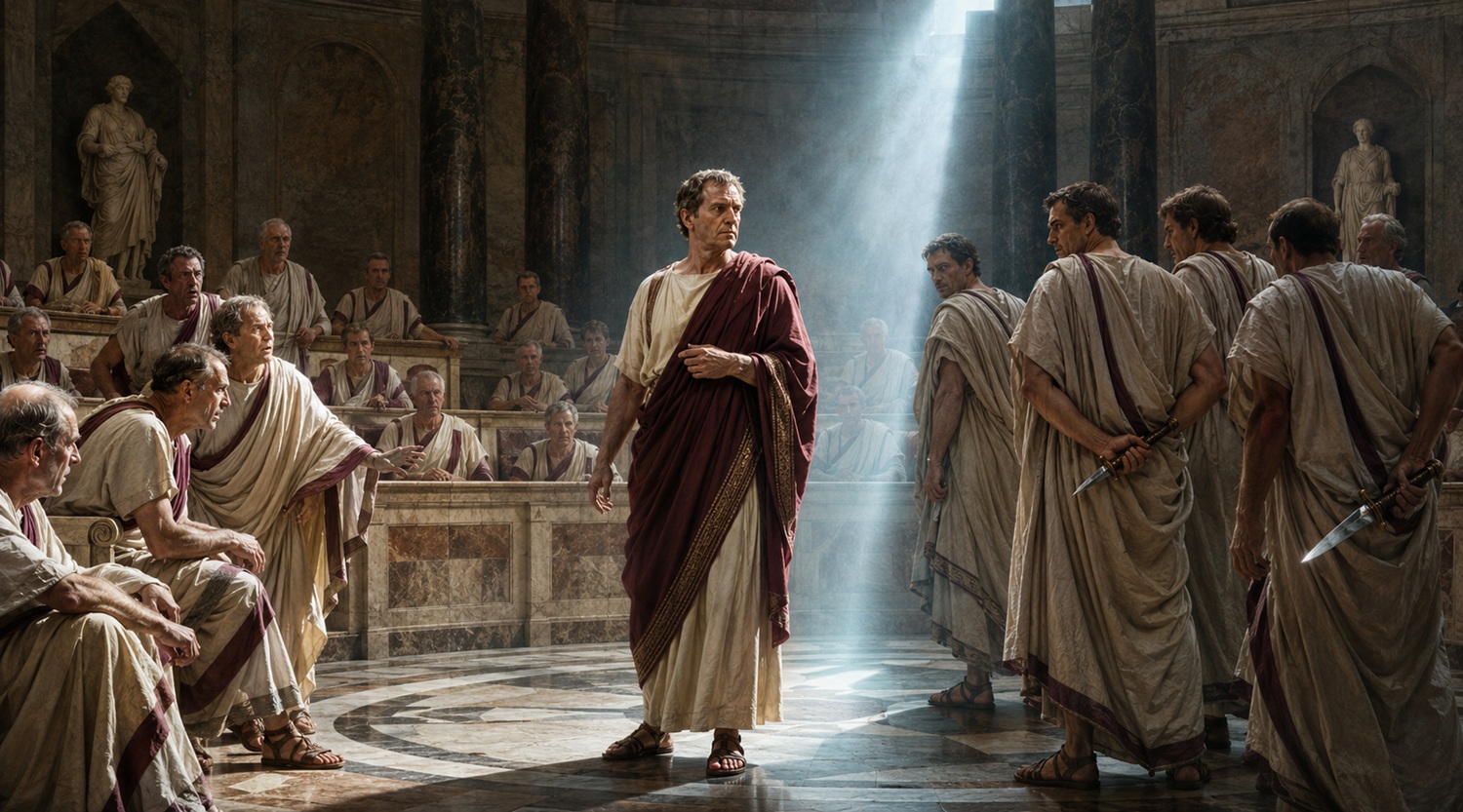
Roman Republic
Follow a surviving Julius Caesar into war with Parthia and a transformed Roman succession, where Antony and Octavian face very different futures.
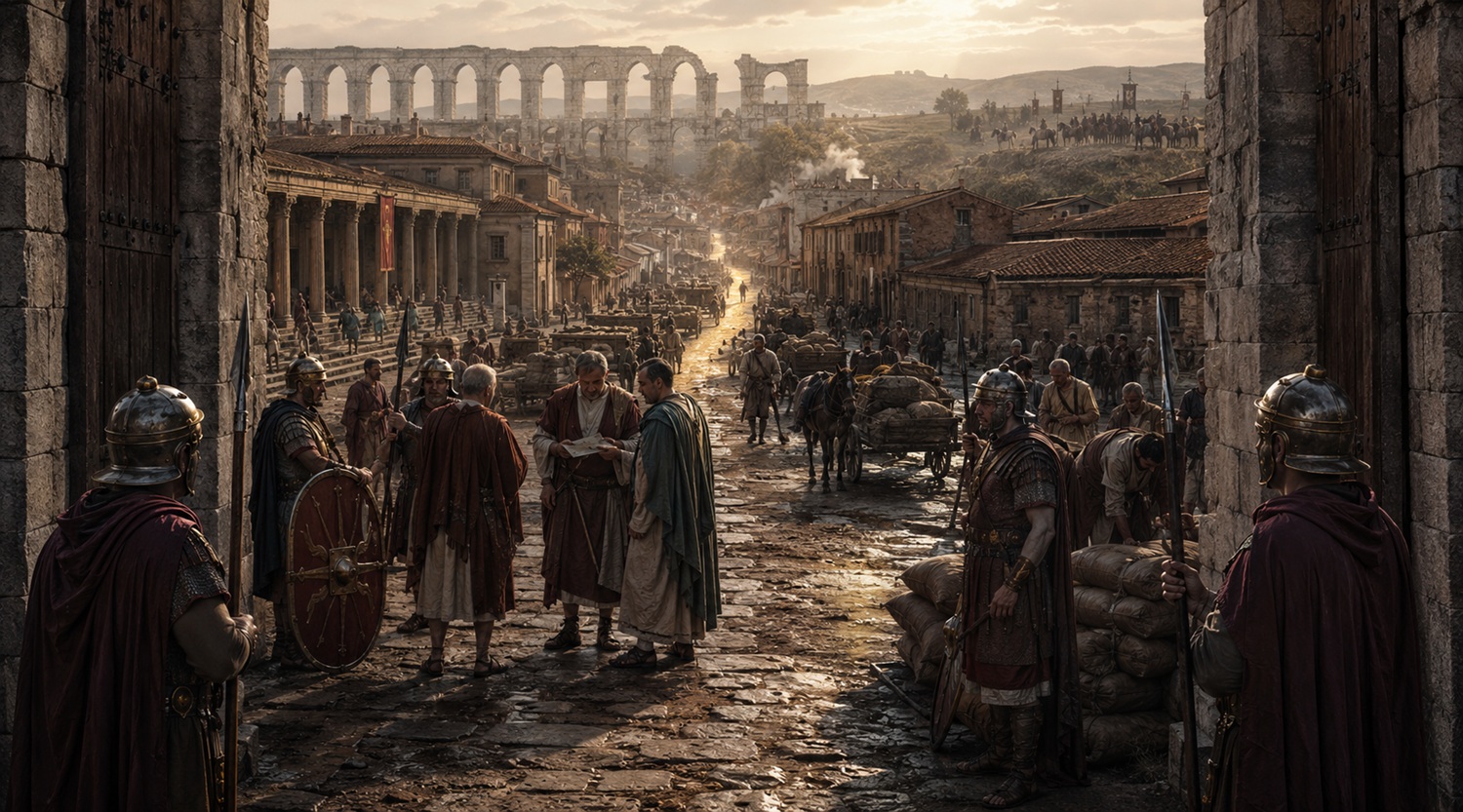
Late Antiquity
Imagine the Western Roman Empire recovering North Africa in 468, stabilizing its finances, and evolving into a smaller but durable Mediterranean state.
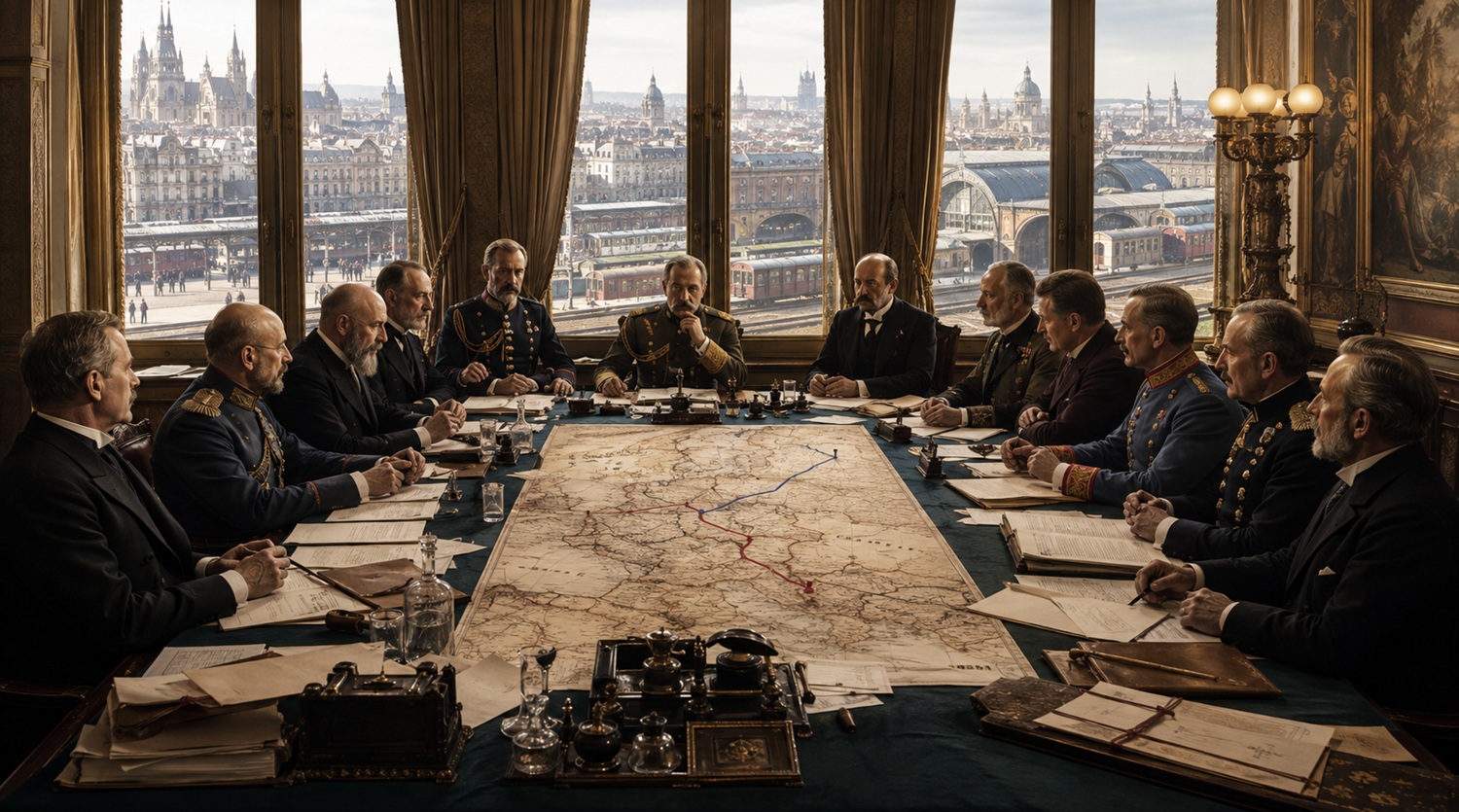
Early 20th century
See how a contained July Crisis could spare Europe from World War I while leaving imperial rivalry, nationalism, and social conflict unresolved.
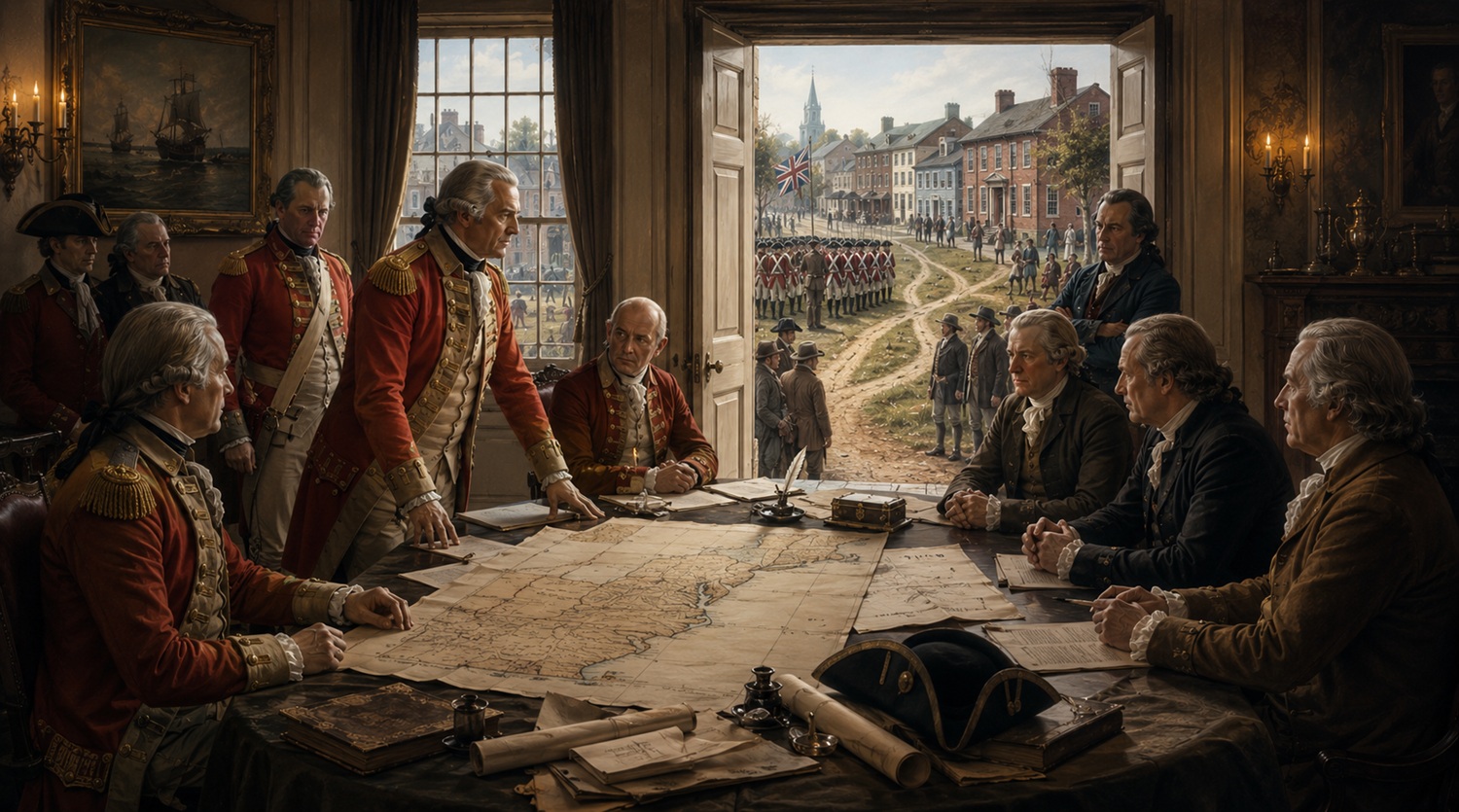
18th century
Explore a British victory at Saratoga, an early negotiated peace, and a North America reshaped by imperial reform, slavery, and Indigenous resistance.
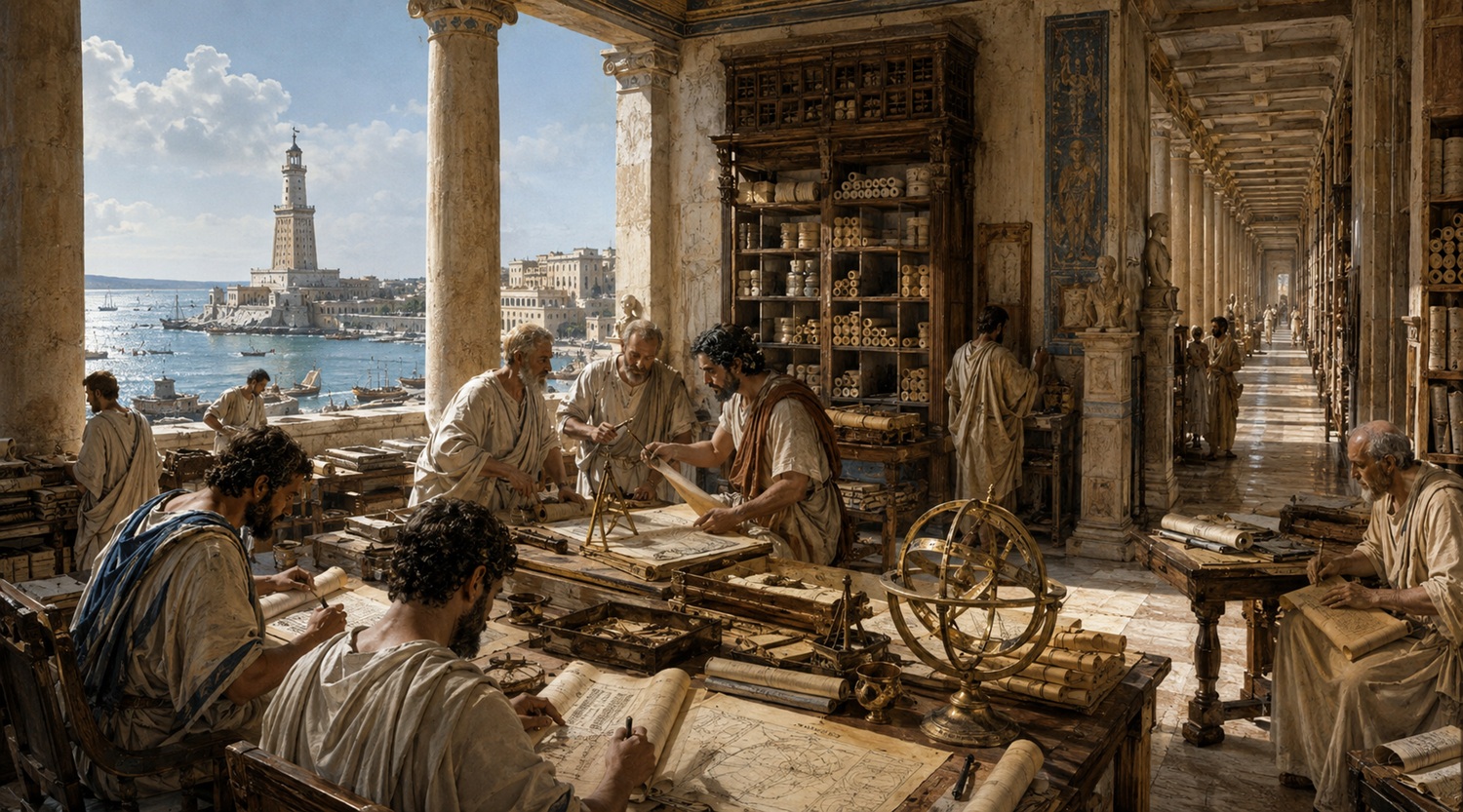
Hellenistic world
Separate myth from evidence and imagine Alexandria’s scholarly institutions receiving sustained funding, preserving texts, and adapting across empires.
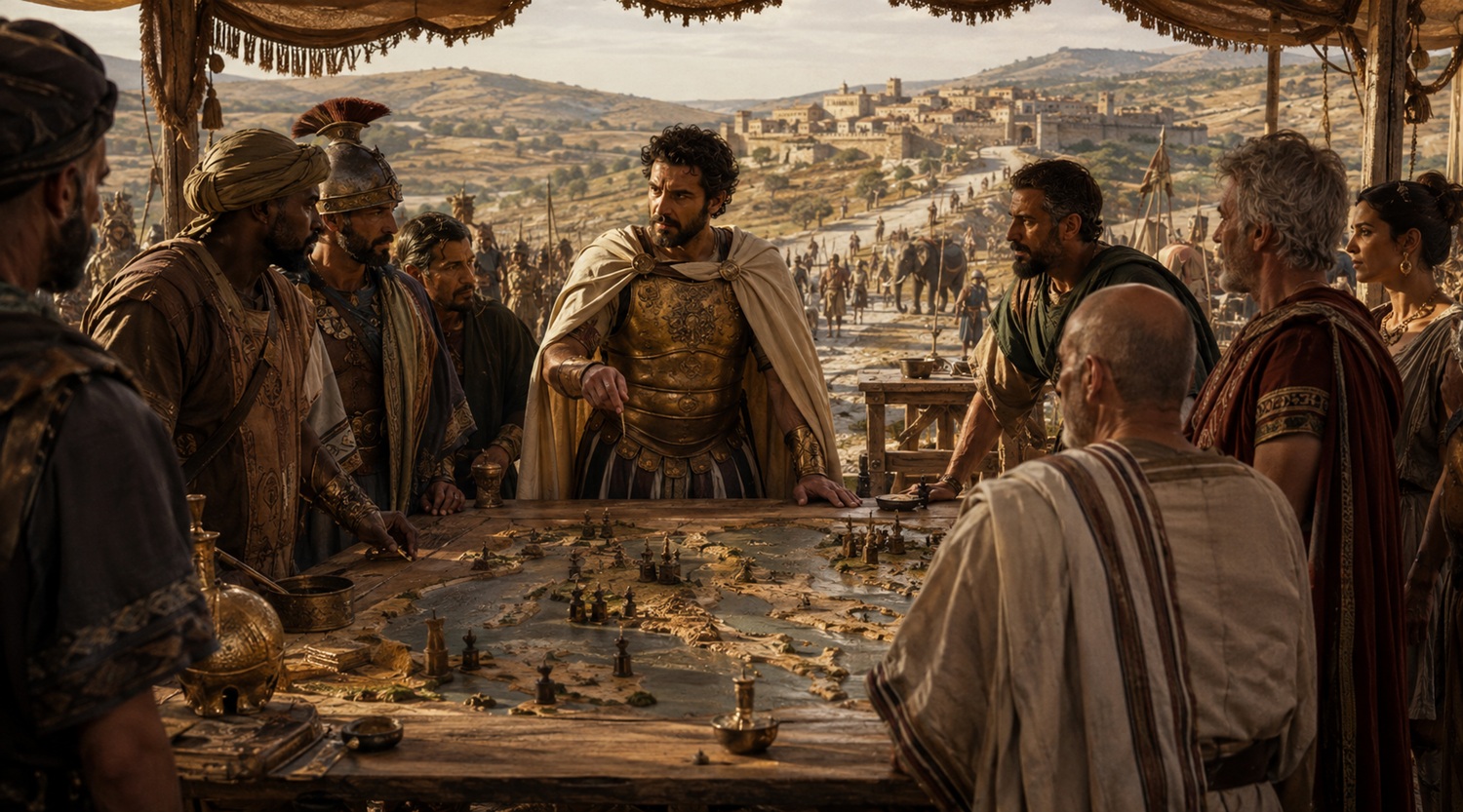
Ancient History
Imagine Alexander consolidating his conquests, planning succession, and changing Rome’s rise and the Hellenistic world.
Roman Republic
Explore a wider Italian revolt after Cannae that breaks Rome’s alliance system, strengthens Carthage, and reshapes the Mediterranean balance of power.
Roman Republic
Follow a surviving Julius Caesar into war with Parthia and a transformed Roman succession, where Antony and Octavian face very different futures.
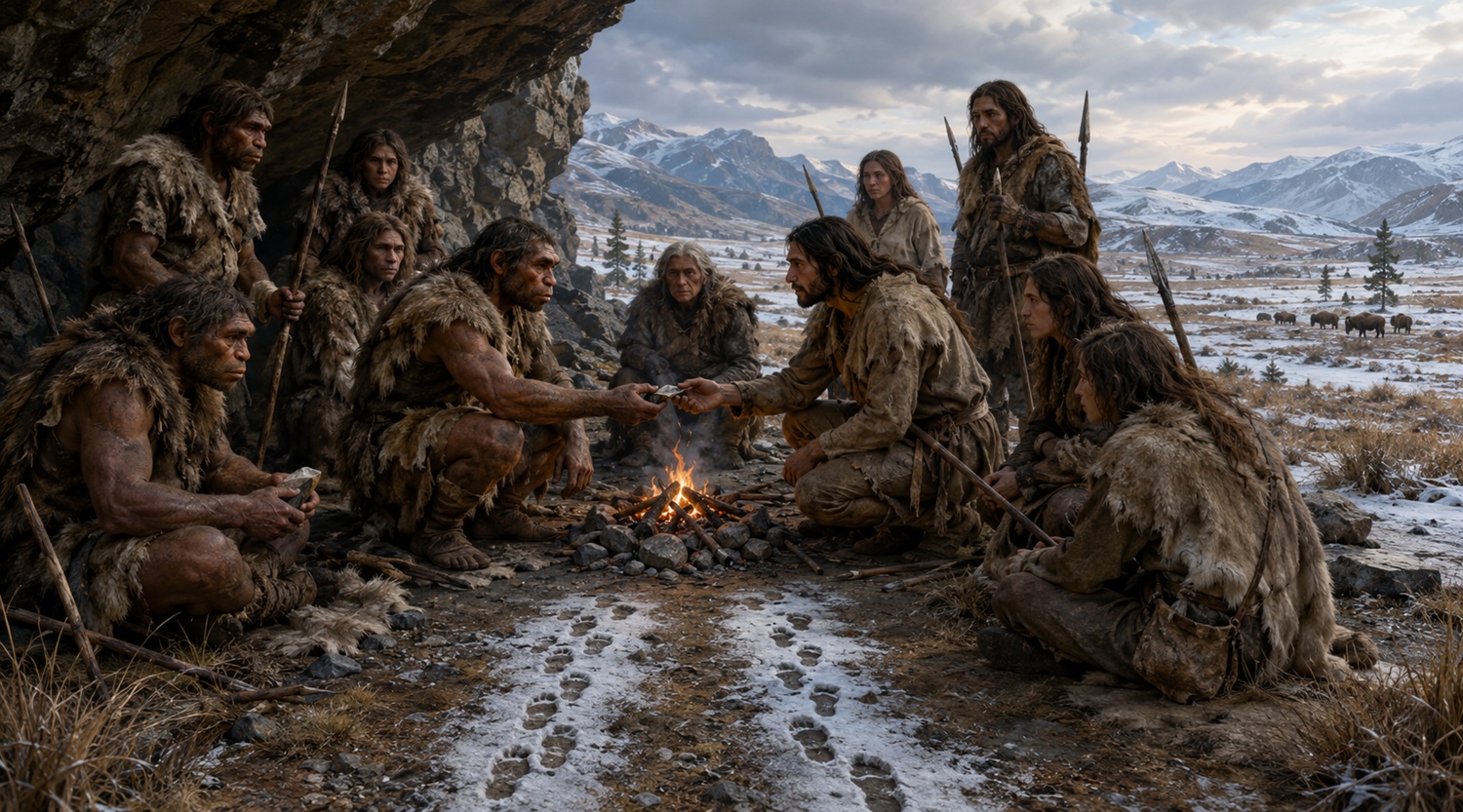
Human prehistory
Imagine Neanderthal communities surviving beside Homo sapiens, transforming identity, law, culture, science, and the meaning of humanity itself.
66 million years ago
Explore a world without the Chicxulub extinction, where non-avian dinosaurs endure, mammals remain constrained, and human evolution becomes unlikely.
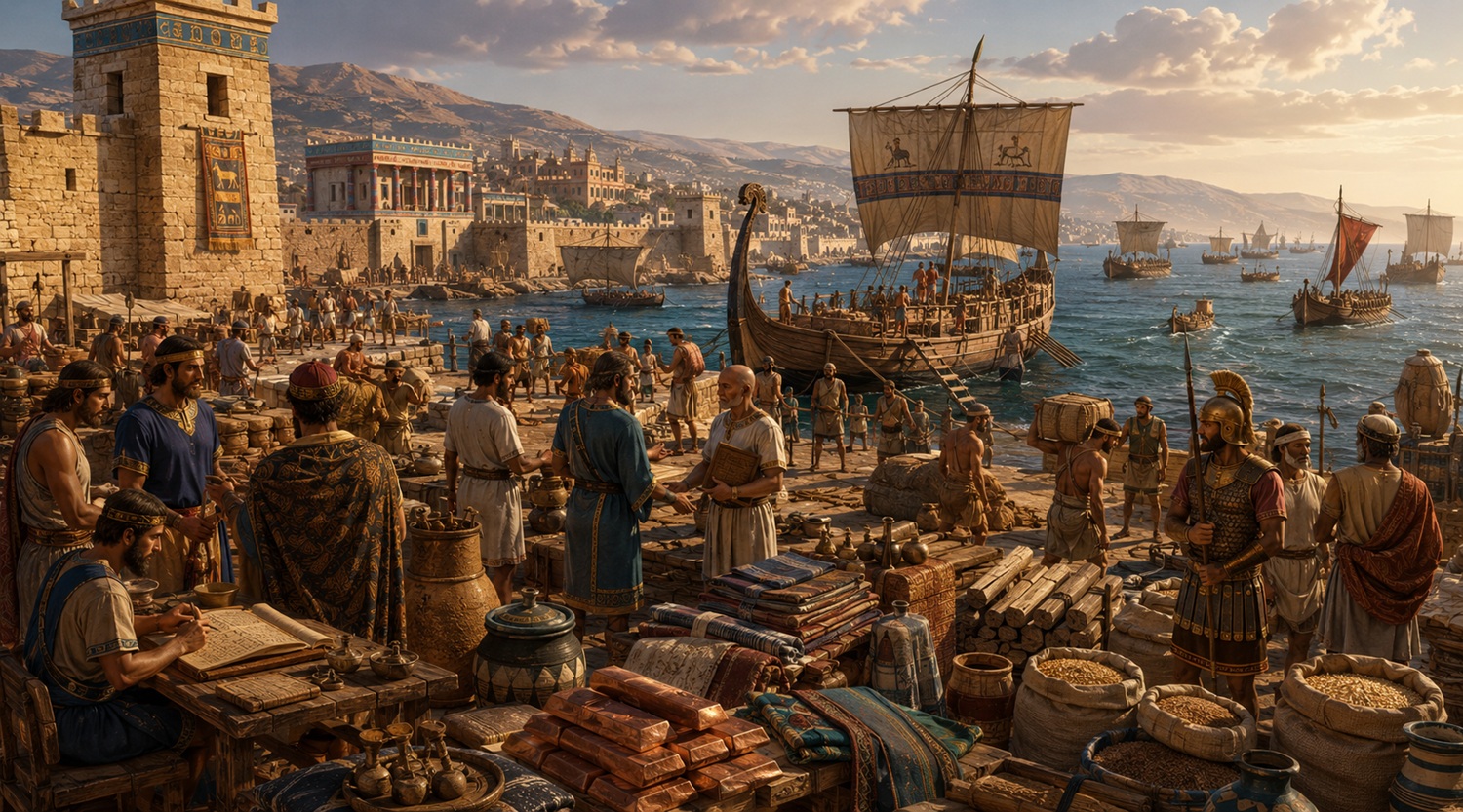
Late Bronze Age
Imagine eastern Mediterranean palace states surviving the crisis around 1200 BCE and adapting trade, writing, warfare, and diplomacy over centuries.
Hellenistic world
Separate myth from evidence and imagine Alexandria’s scholarly institutions receiving sustained funding, preserving texts, and adapting across empires.
Late Antiquity
Imagine the Western Roman Empire recovering North Africa in 468, stabilizing its finances, and evolving into a smaller but durable Mediterranean state.
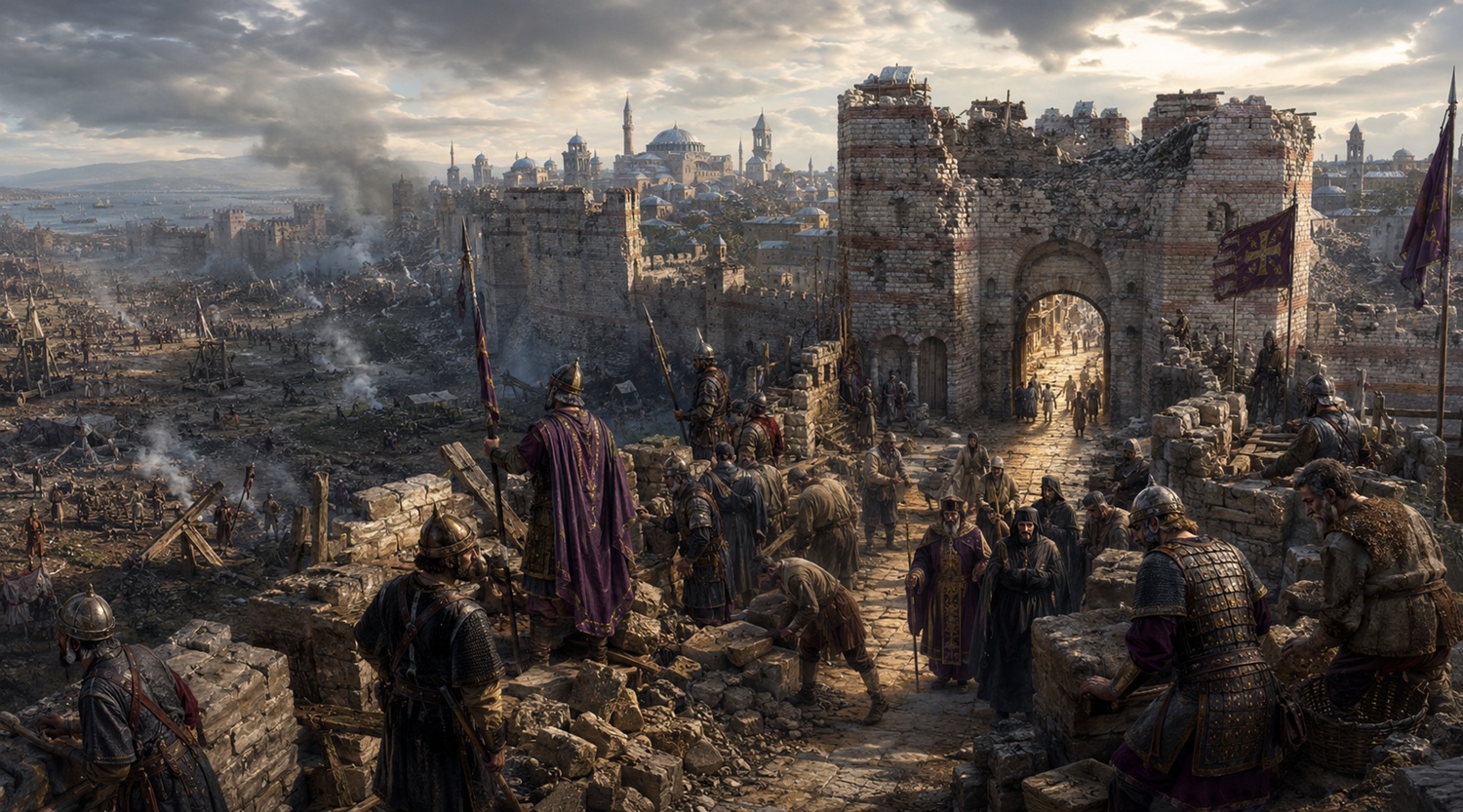
15th century
Imagine the final Ottoman assault failing in 1453 and a small Byzantine state surviving through trade, diplomacy, and uneasy Western alliances.
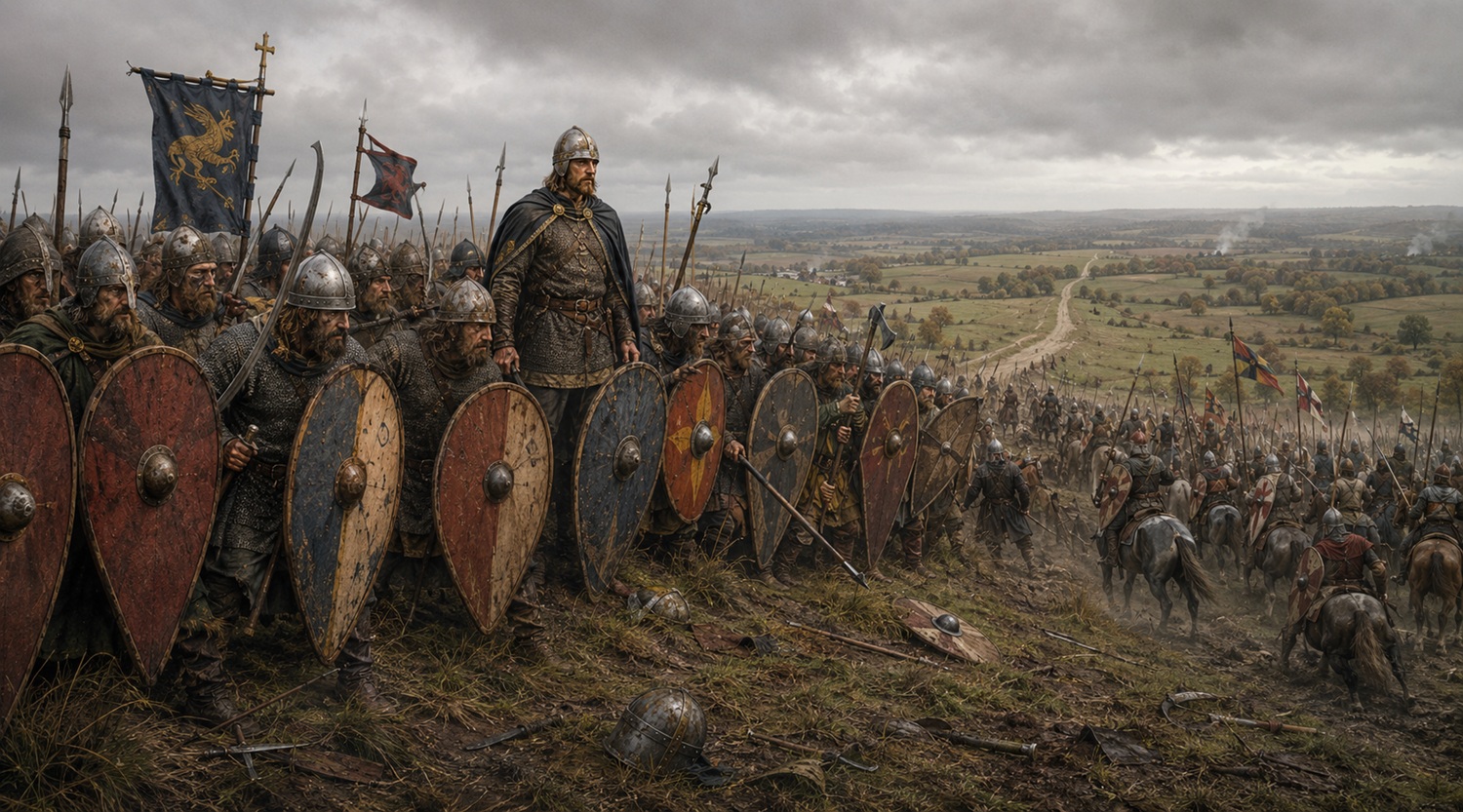
11th century
Follow an English victory at Hastings that preserves the Anglo-Saxon elite while changing aristocracy, language, church reform, and ties to Europe.
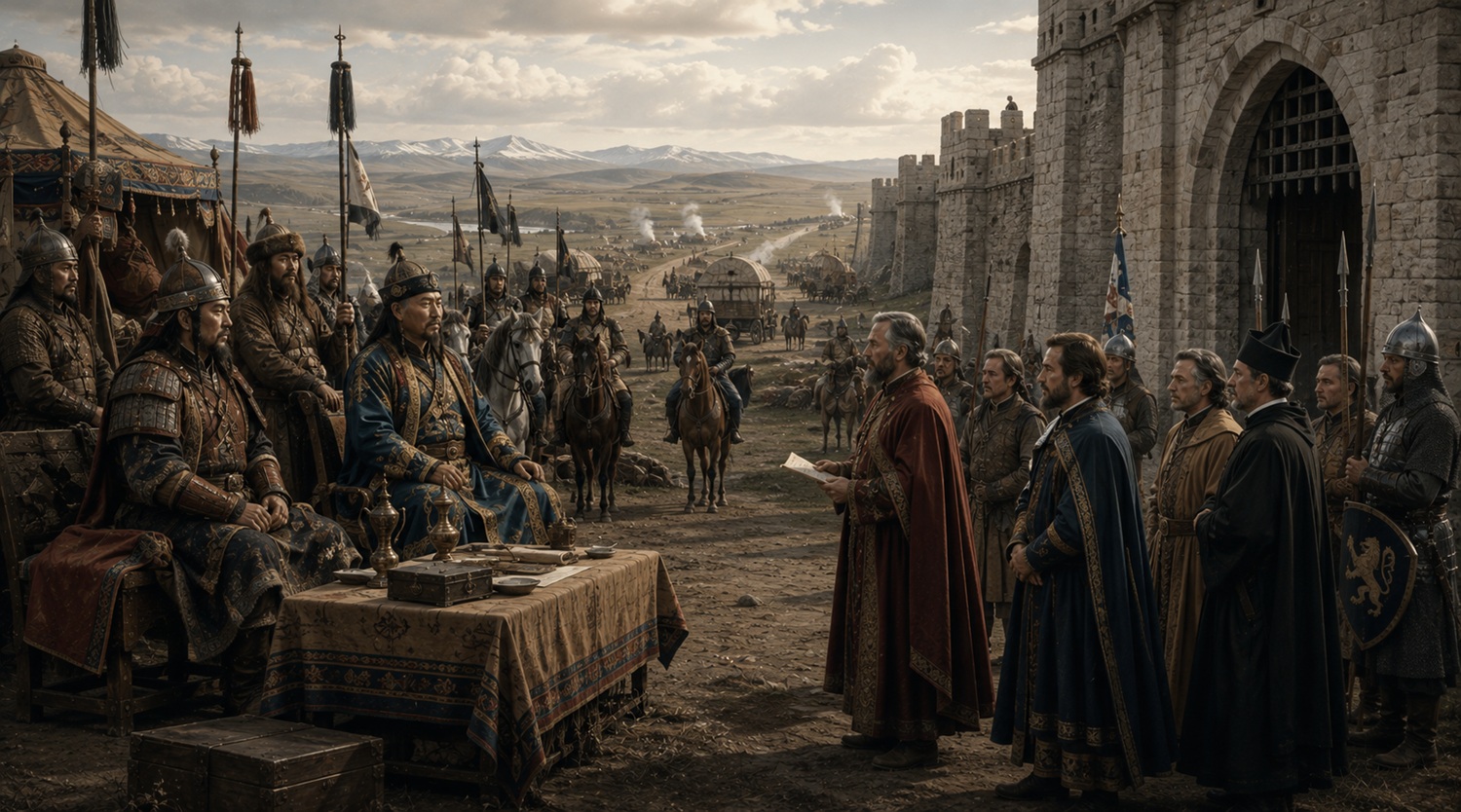
13th century
Trace a sustained Mongol campaign beyond Hungary, testing Europe’s fortifications and politics while creating tributary states rather than uniform rule.
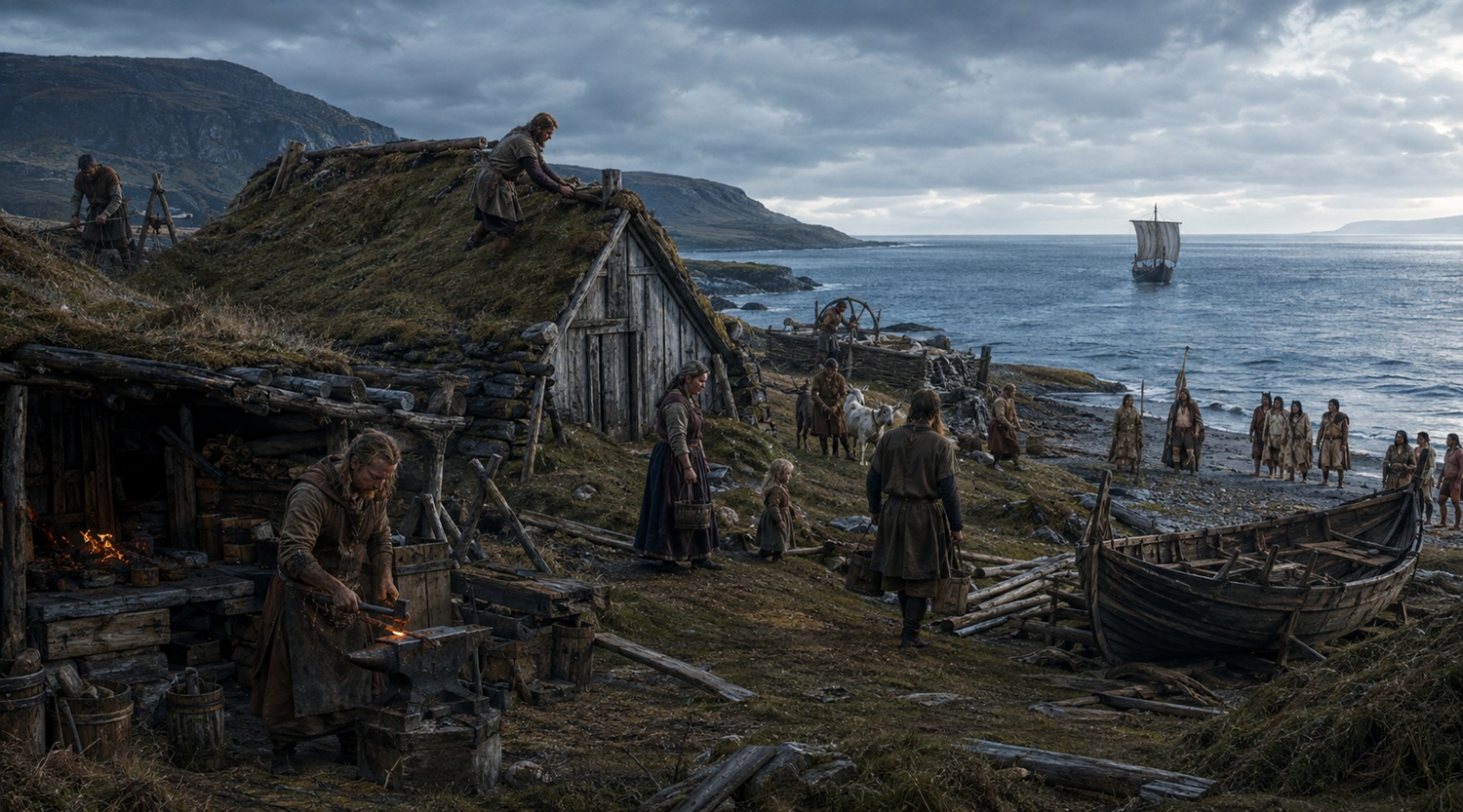
11th century
Explore a durable Norse settlement supplied through Greenland, interacting with Indigenous societies and changing later Atlantic exploration.
18th century
Explore a British victory at Saratoga, an early negotiated peace, and a North America reshaped by imperial reform, slavery, and Indigenous resistance.
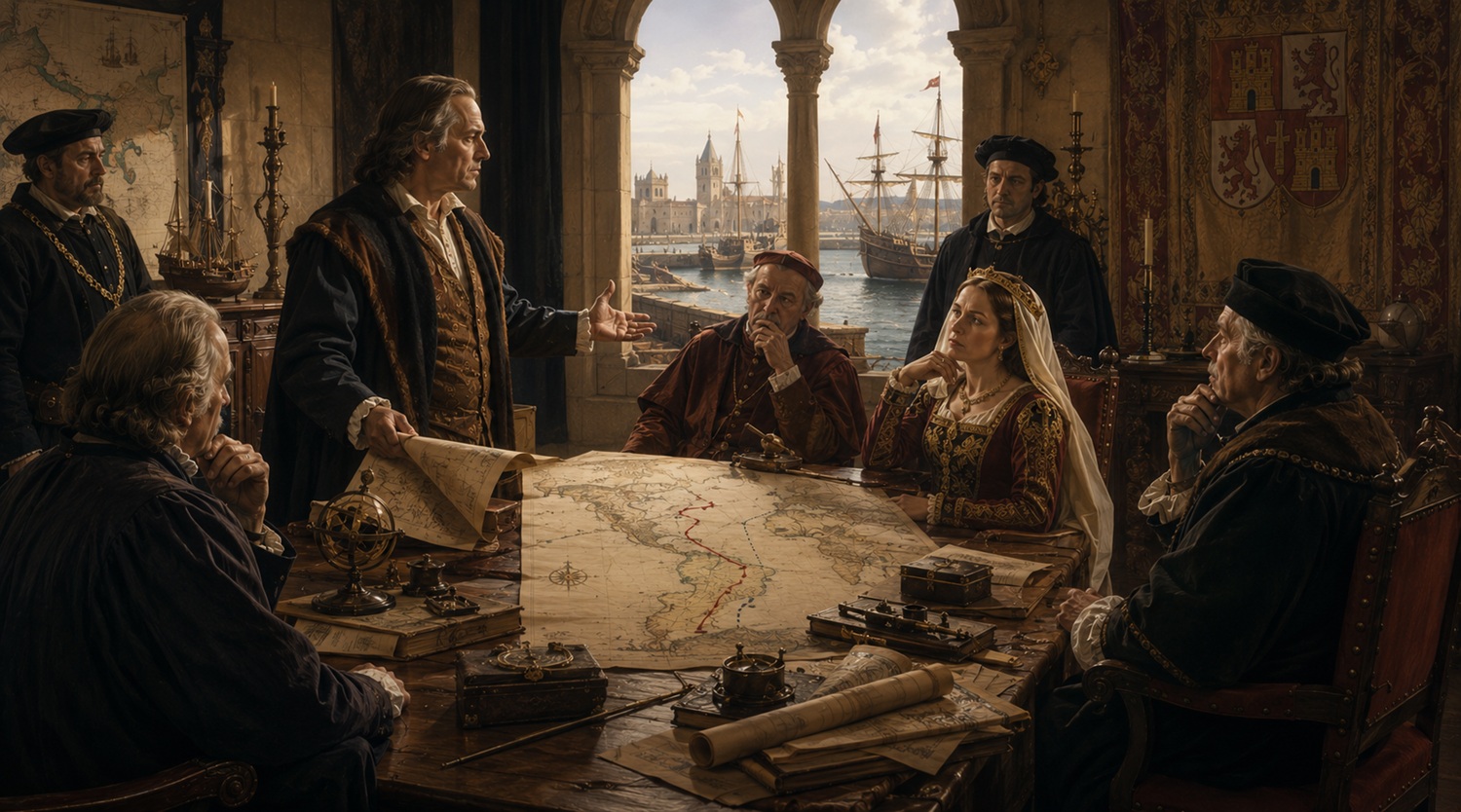
Age of Exploration
Consider a delayed European Atlantic crossing led by England or Portugal, with different conquests, colonial powers, and Indigenous responses.
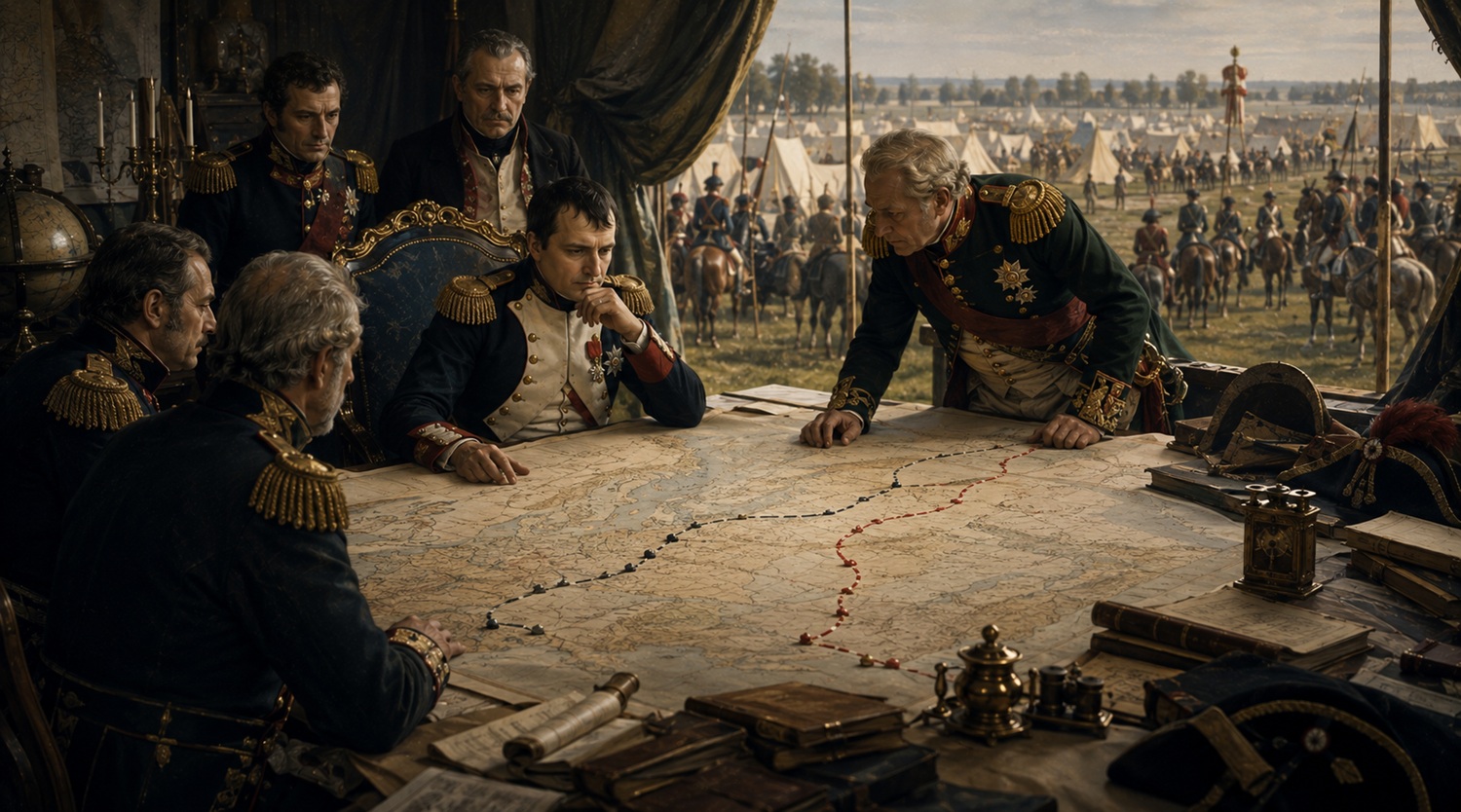
Napoleonic era
Imagine Napoleon tolerating Russian trade in 1812, preserving the Grande Armée while managing Spain, Prussia, Austria, and a fragile continental empire.
Napoleonic Era
Consider whether victory at Waterloo could save Napoleon’s restored rule or merely delay Europe’s coalition response.
Renaissance Era
Explore a Tudor England without Elizabeth I, with different religious settlements, succession politics, and global ambitions.
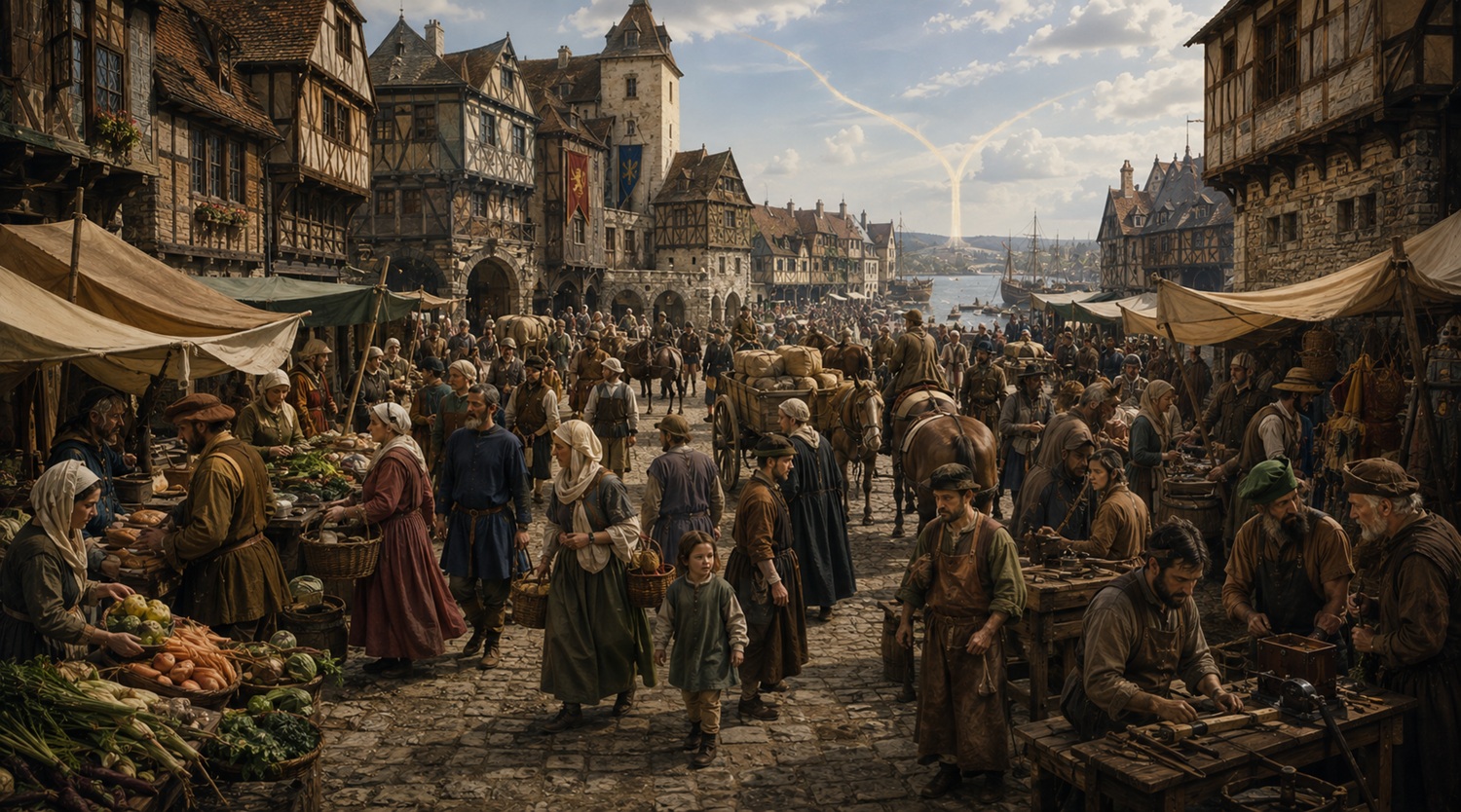
14th century
Examine a Europe without the Black Death, where population stays high, labor remains cheaper, feudal obligations persist, and cities grow differently.
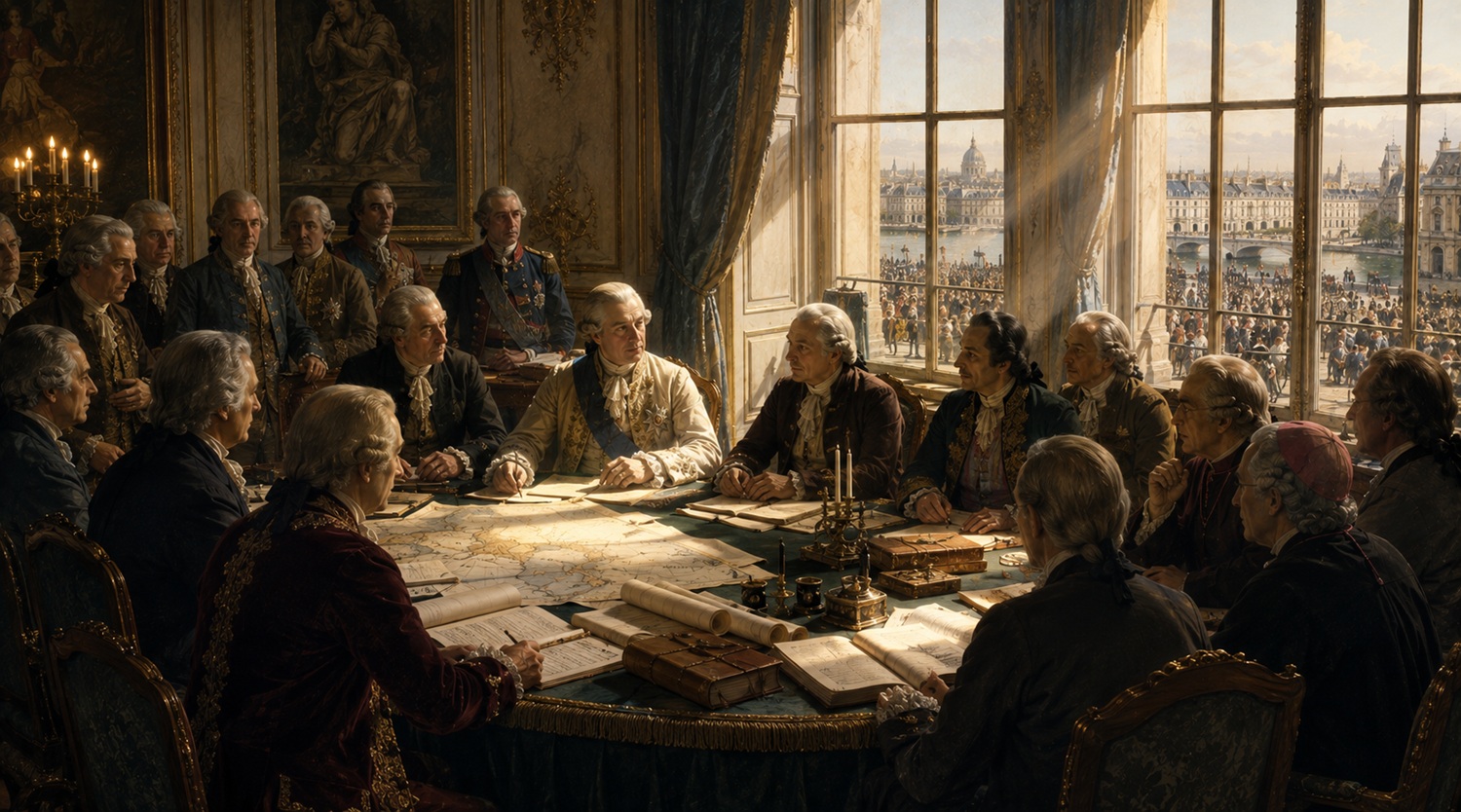
18th century
Consider Louis XVI accepting constitutional compromise in 1789, preserving monarchy while transforming reform, war, nationalism, and Napoleon’s career.
Age of Exploration
Explore earlier Chinese contact with the Americas and its possible effects on trade, colonization, and cultural exchange.
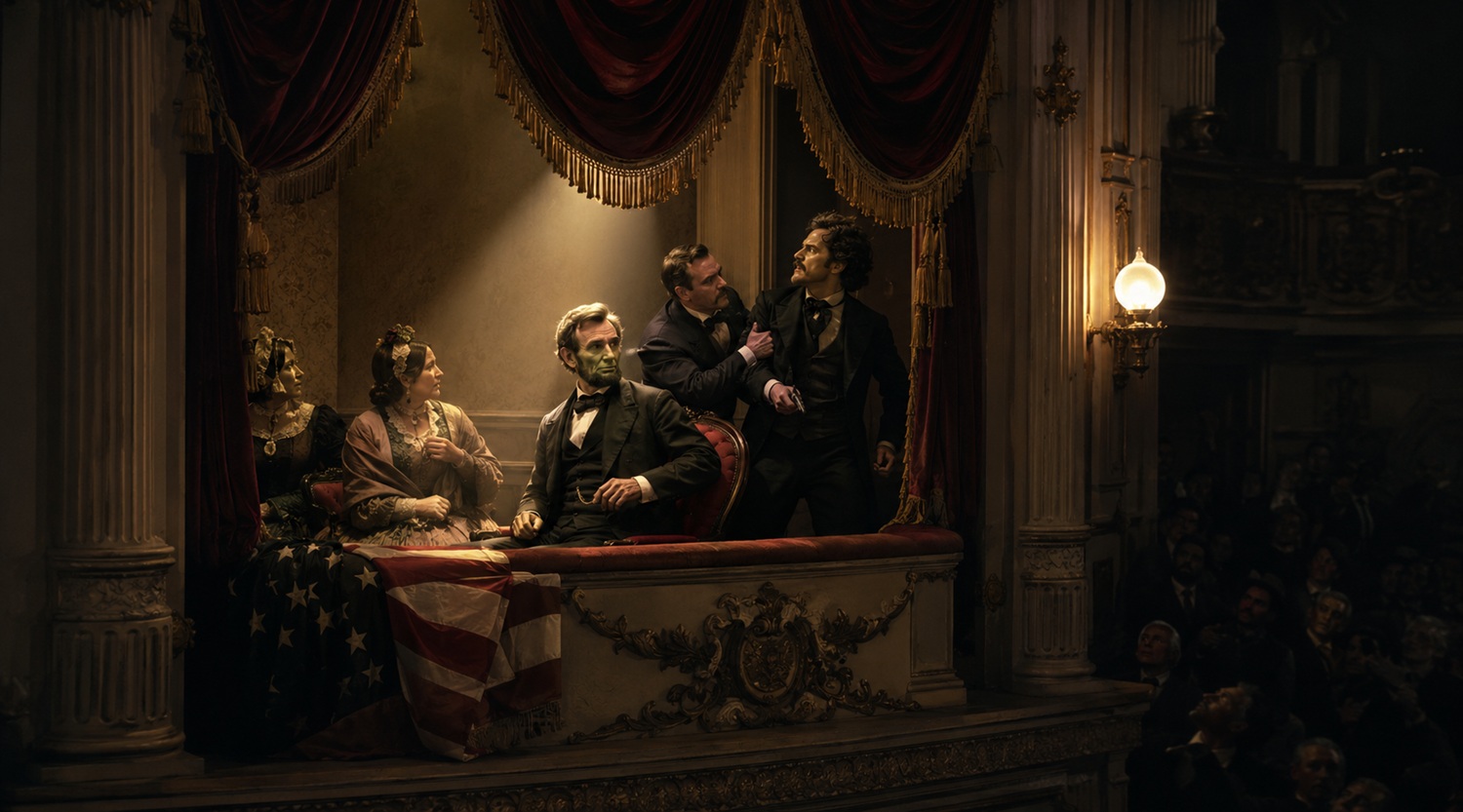
Reconstruction
Trace a Lincoln-led Reconstruction confronting Black Codes, congressional Republicans, voting rights, and white supremacist violence after the Civil War.
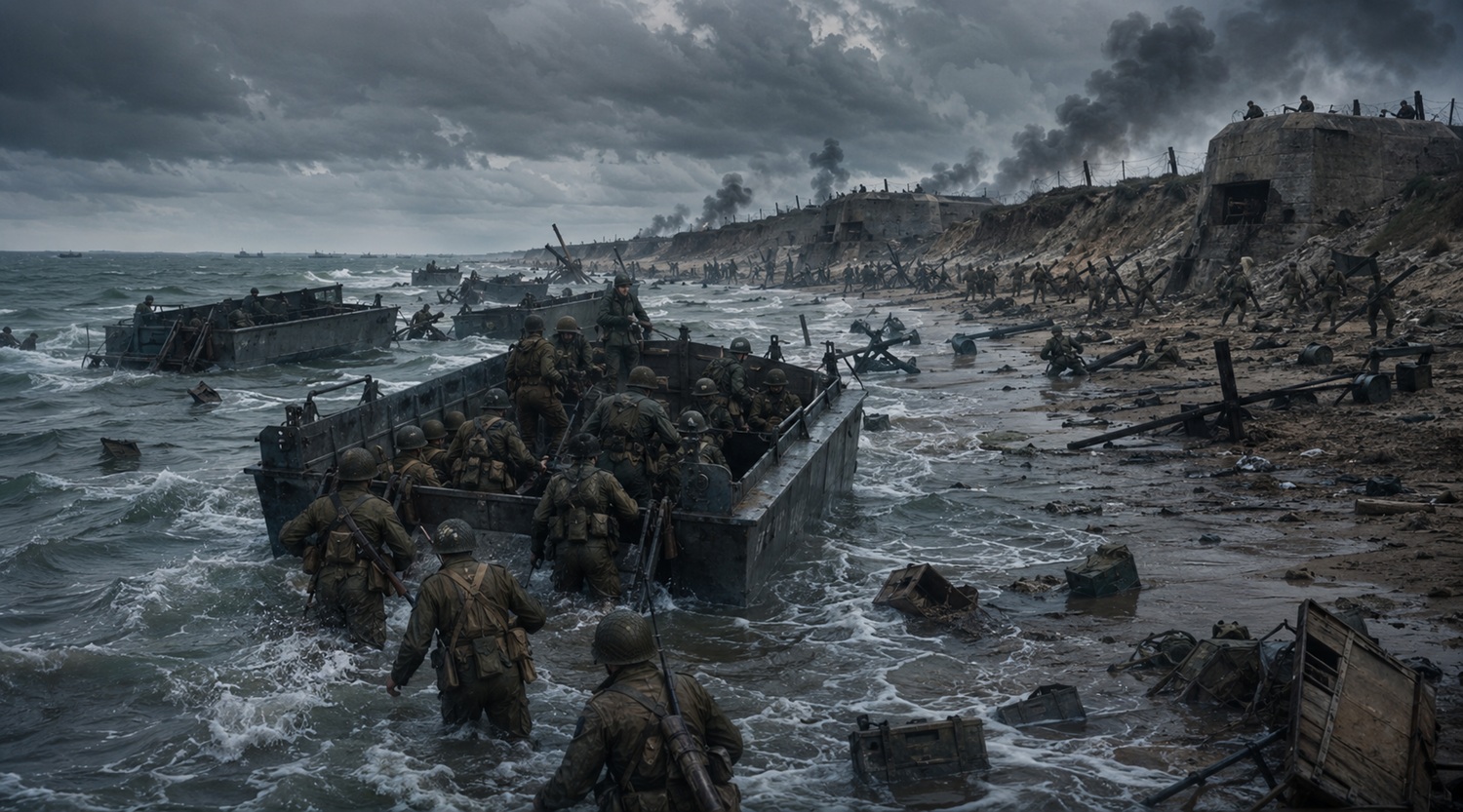
World War II
Follow the military and political consequences of a failed Normandy landing, from Allied command turmoil to Soviet advances and a delayed liberation.
20th Century
Assess how one changed life might alter extremist politics while recognizing the deeper forces behind fascism and war.
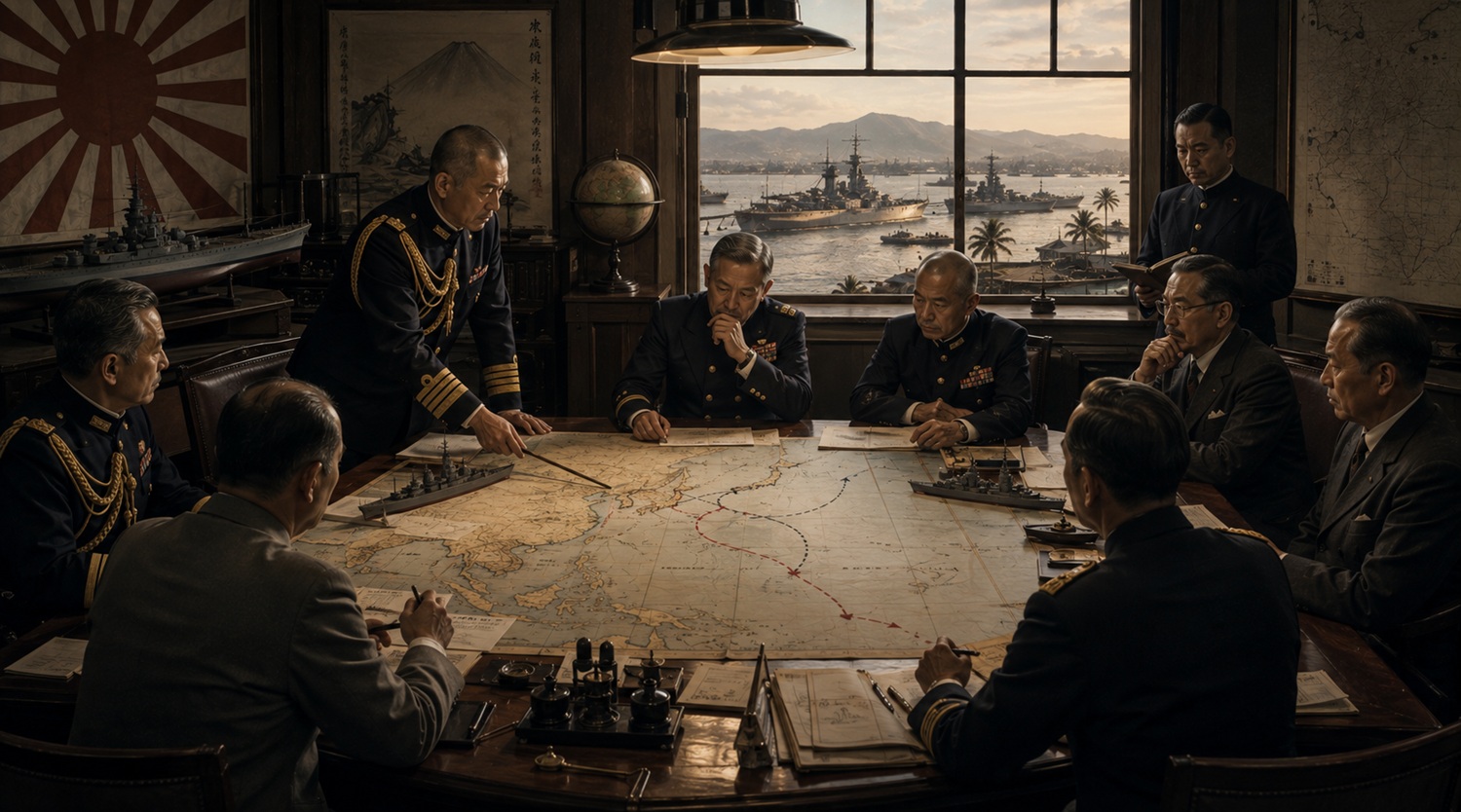
World War II
Explore Japan choosing another strategy in 1941, delaying U.S. entry while oil pressure, war in China, and conflict in Southeast Asia intensify.
Cold War
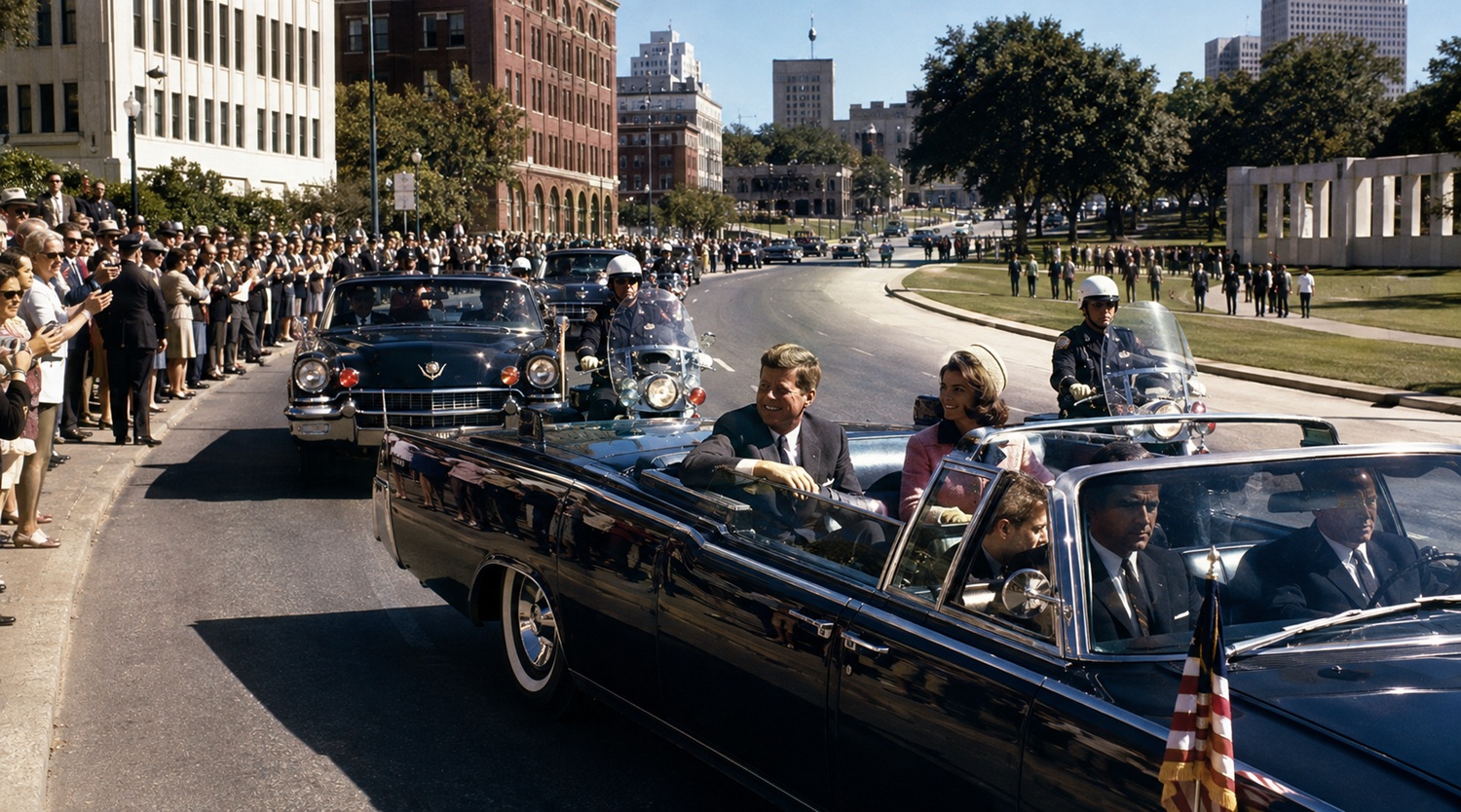
Explore a second Kennedy term shaped by civil rights, Vietnam, the Cold War, and a diminished Lyndon Johnson after the Dallas attack fails.
World War II
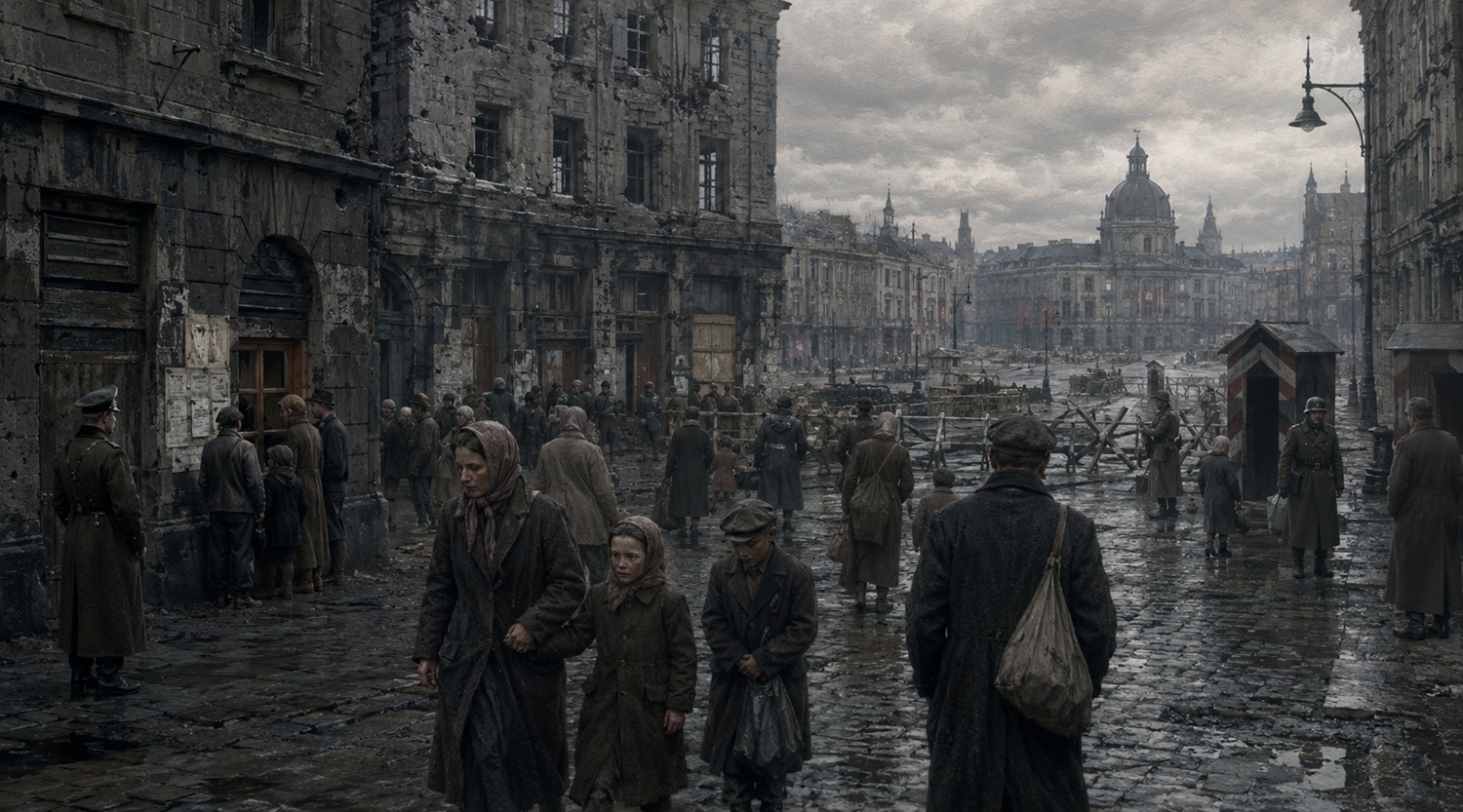
Assess a grim Nazi victory built on British withdrawal and Soviet collapse, with genocide, forced labor, occupation, and resistance continuing across Europe.
19th Century
Examine the consequences of Confederate survival for slavery, divided government, diplomacy, and later American history.
Modern History
Imagine a reformed or coercively preserved USSR shaping the post-Cold War world, technology, and international politics.
Early 20th century
See how a contained July Crisis could spare Europe from World War I while leaving imperial rivalry, nationalism, and social conflict unresolved.
Early modern era
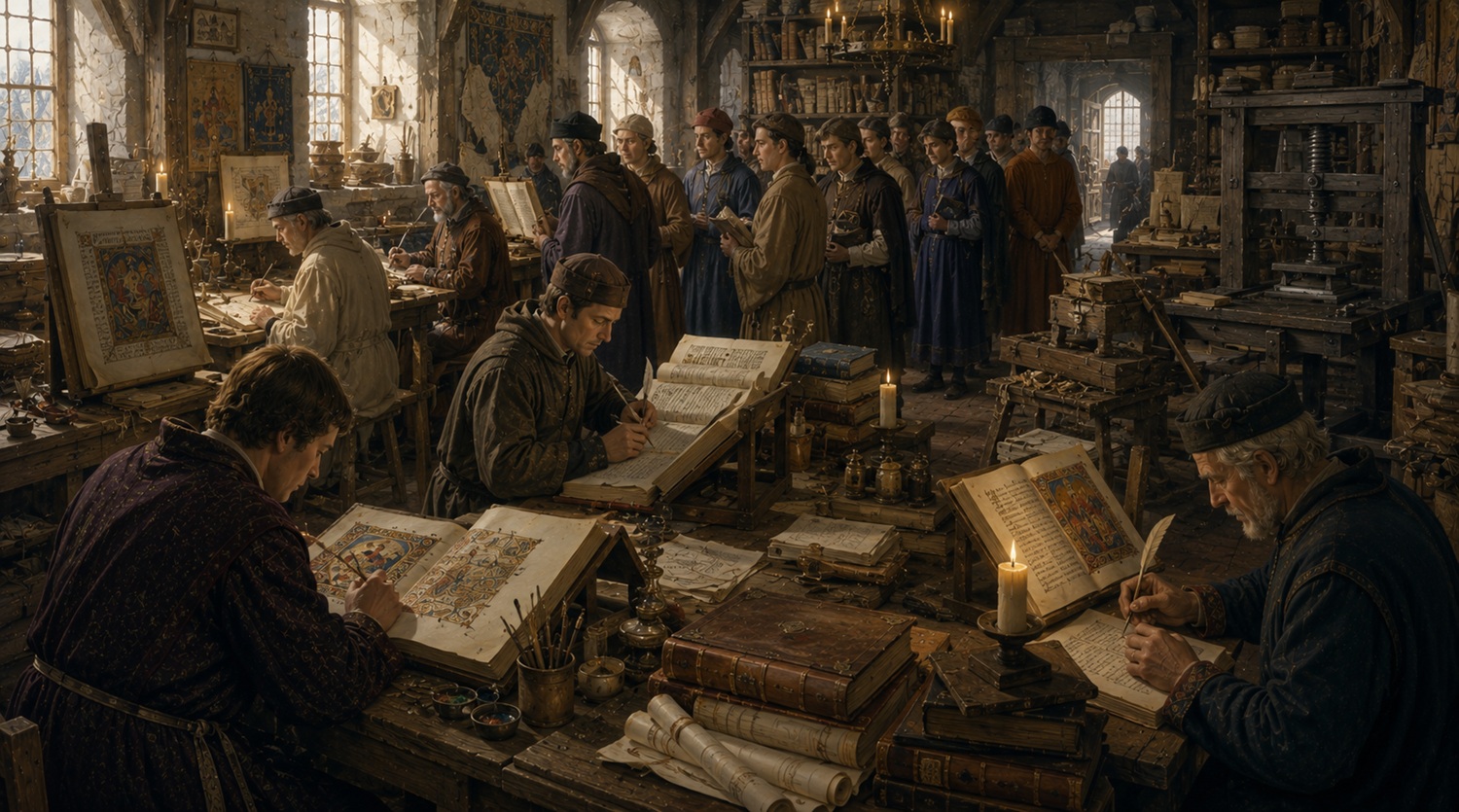
Examine a Europe without mass movable-type printing, where manuscripts, religion, science, literacy, and state power develop through slower media.
Space Race
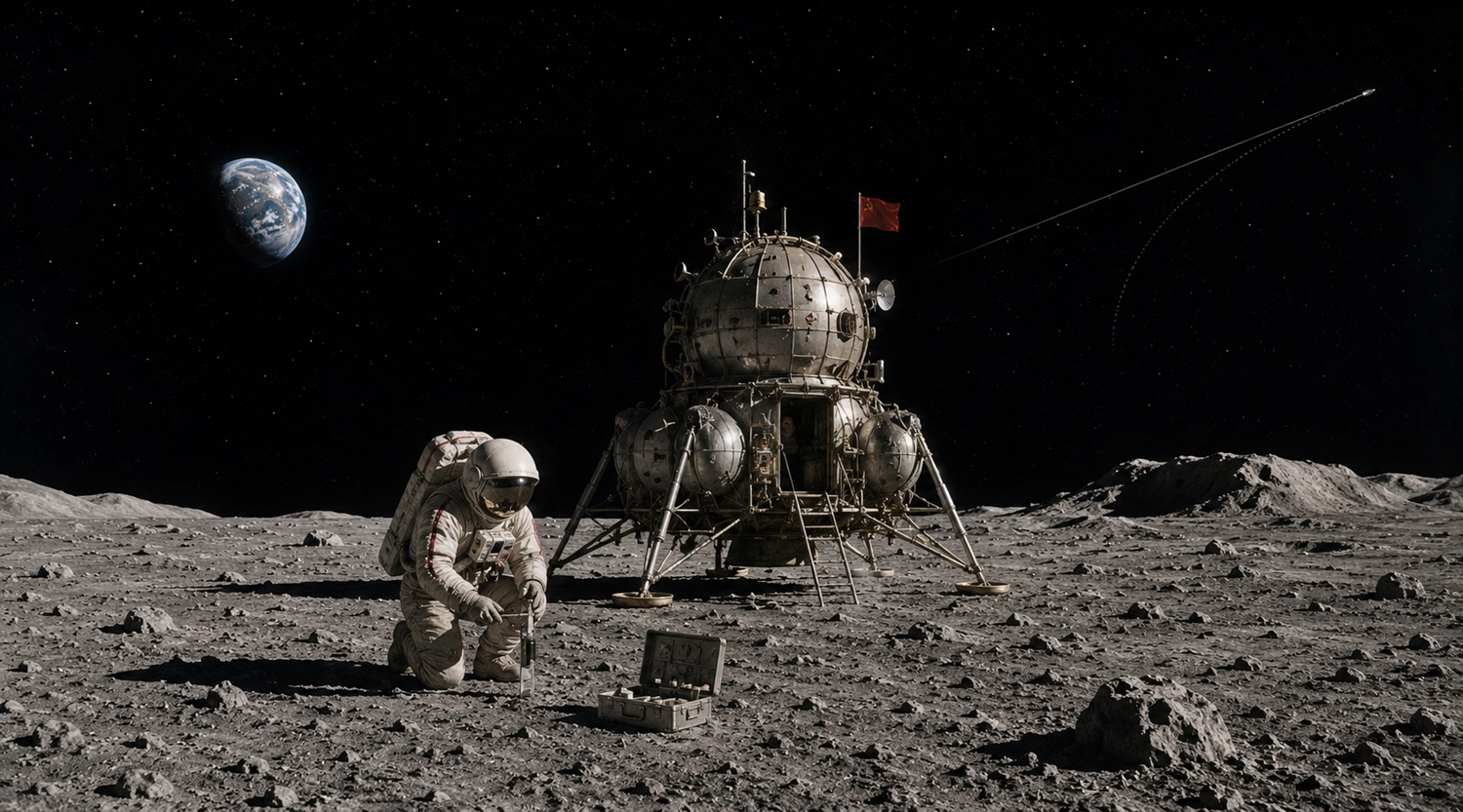
Explore an N1 rocket success that puts a Soviet cosmonaut on the Moon first, reshaping Apollo, propaganda, technology, and Cold War prestige.
Early 20th century
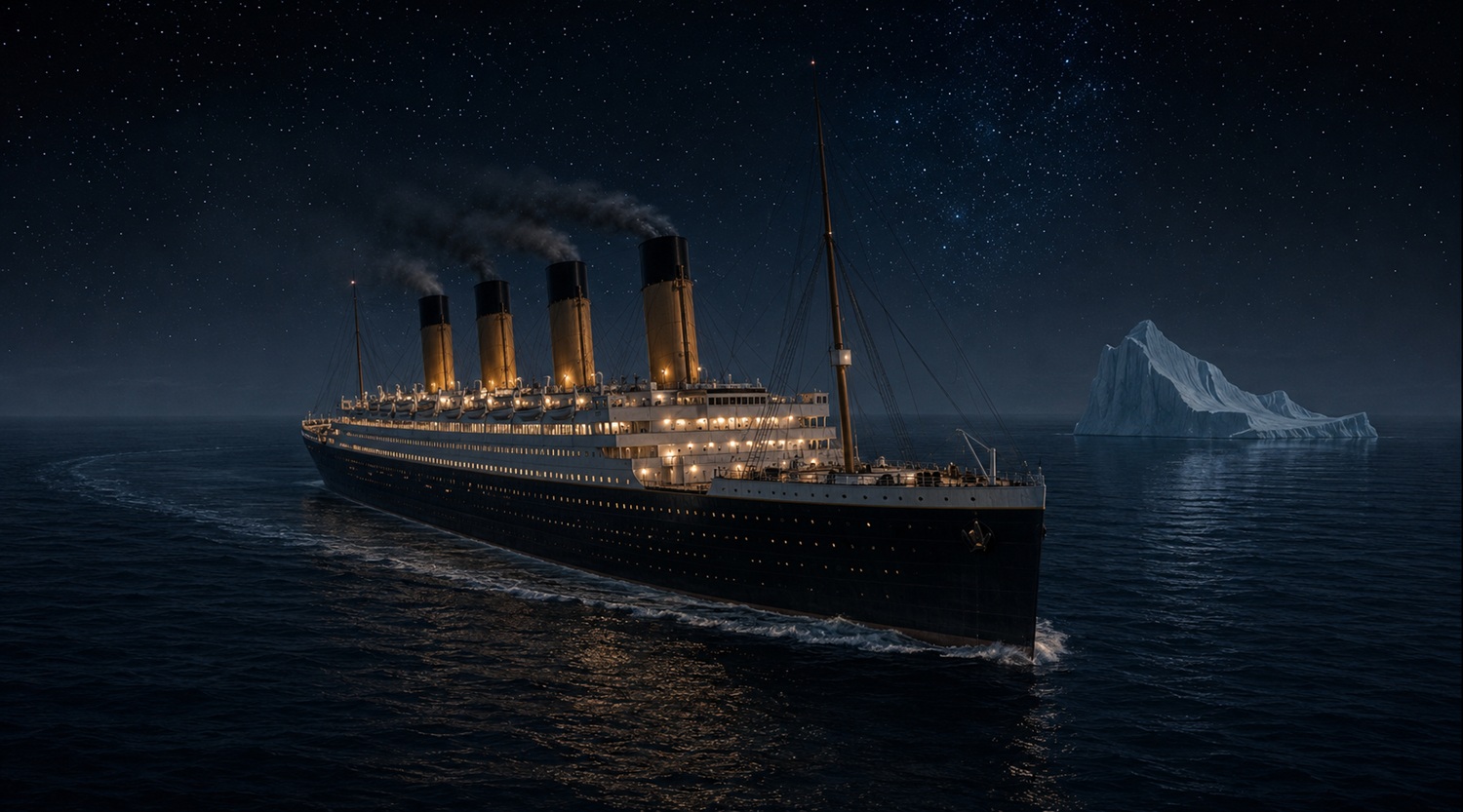
Follow Titanic safely into New York and examine delayed lifeboat rules, wireless standards, ice patrols, and the lives altered by its survival.